


Turn Intelligence into Authority.
We architect the intelligence systems that sustain high-stakes decision-making. we deliver the clarity needed to accelerate informed execution and build a durable strategic advantage that is architected to last.
The Latency of Insight
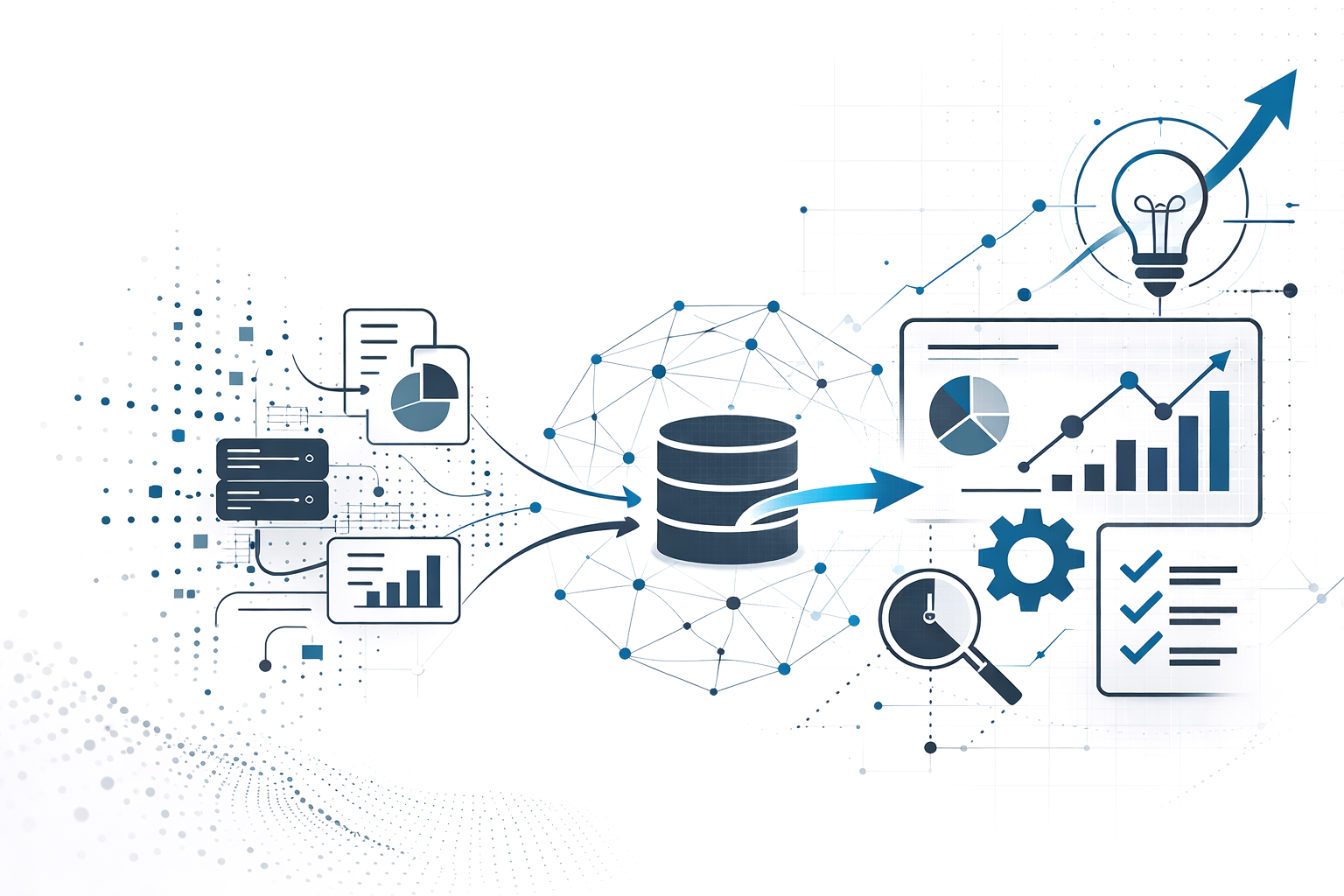
Modern enterprises generate unprecedented volumes of data—yet struggle to convert information into coherent, decision-grade intelligence. Reporting systems operate in silos. Dashboards lack hierarchy. KPIs multiply without alignment. Automation initiatives proceed without governance guardrails. Innovation efforts become experimental rather than strategic.
Data abundance without structure produces noise—not advantage.
In high-performing enterprises, intelligence is not a toolset—it is a system. It is governed, integrated, measurable, and strategically aligned.
The Synthesis Directive
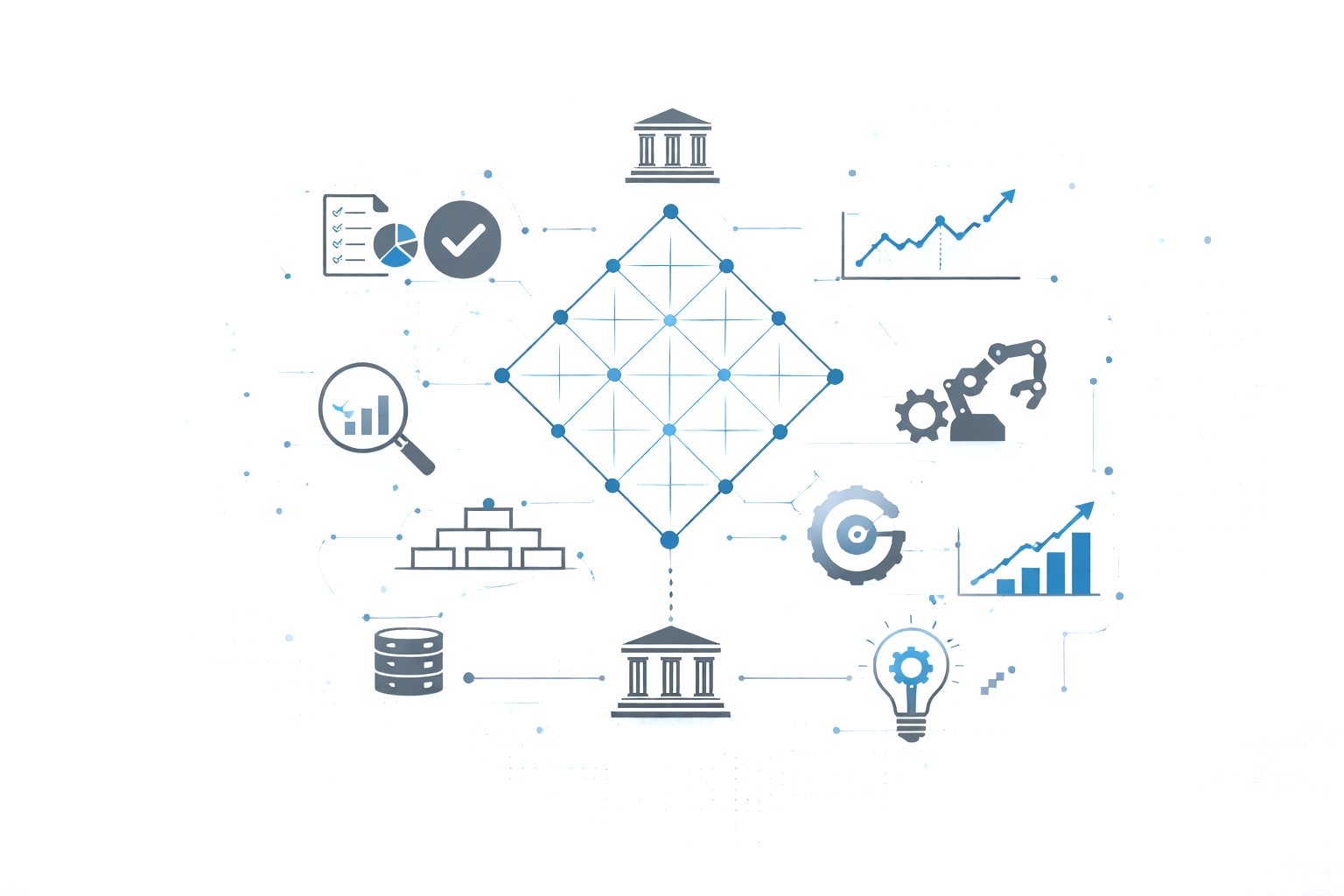
We design governance-aligned intelligence ecosystems that connect reporting, analytics, automation pathways, and innovation oversight into a unified enterprise framework.
Our mandate is not software implementation alone—it is structural clarity. We ensure that analytics support capital allocation, operations reinforce reporting discipline, automation aligns with performance metrics, and innovation is sequenced within strategic priorities.
We operate at the intersection of strategy, operations, and governance—ensuring intelligence systems elevate leadership judgment rather than complicate it.
Innovation Intelligence Nodes
We construct integrated intelligence architecture that aligns visibility, automation, governance, and decision accountability. We construct integrated intelligence architecture that aligns visibility, automation, governance, and decision accountability into a single, coherent enterprise system. This includes establishing clear KPI hierarchies, defining reporting ownership, integrating data sources across functions, sequencing automation initiatives within governance guardrails, and embedding structured decision-review processes at the executive and board levels. Our objective is to ensure that insight flows reliably from data generation to executive interpretation to accountable action—eliminating fragmentation, reducing ambiguity, and transforming information into measurable strategic leverage.
-
— Design KPI hierarchies, executive dashboards, reporting cadence, and data governance models aligned with enterprise strategy and board oversight.
-
— Build integrated dashboard ecosystems that provide real-time insight across revenue, operations, capital allocation, and risk domains.
-
— Identify high-impact automation opportunities, define governance guardrails, sequence pilot initiatives, and align use cases with measurable ROI objectives. (Advisory only; technical implementation executed by internal or external specialists.)
-
— Establish standards for data ownership, reporting consistency, version control, and cross-functional transparency.
-
— Institutionalize documentation protocols, decision traceability, process repositories, and intellectual capital retention frameworks.
-
— Structure experimentation pipelines, stage-gate oversight, and capital allocation logic for R&D or digital transformation initiatives.
-
— Embed structured review processes linking insight generation to executive accountability and strategic recalibration.
The Innovation Lifecycle

Intelligence & Capability Assessment
Evaluate data maturity, reporting fragmentation, automation exposure, governance clarity, and insight reliability across the enterprise.

Architecture & Integration Design
Define KPI logic, reporting hierarchy, automation sequencing, governance guardrails, and cross-functional system alignment.
Implementation Alignment & Governance Reinforcement
Support rollout coordination, reinforce reporting cadence, align leadership adoption, and institutionalize data-driven accountability.
Our approach ensures intelligence systems are scalable, governance-aligned, and operationally embedded—not experimental overlays detached from enterprise reality.

Cognitive Innovation:
The Frontier Advantage
Faster, more disciplined decision-making
Clear enterprise-wide performance visibility
Reduced reporting fragmentation and manual inefficiency
Automation aligned with measurable value creation
Stronger linkage between strategy, data, and execution
Institutional retention of knowledge and intellectual capital
Governance-backed innovation discipline that compounds advantage over time
Innovative Decision Makers
We support leaders modernizing enterprise intelligence and strengthening decision architecture in complex environments. Enterprises elevating reporting maturity, transparency, and performance visibility across functions. Leaders integrating analytics, automation, and structured innovation into scalable operating systems. Governance bodies reinforcing decision clarity, reporting integrity, and long-term institutional insight discipline.
Let’s talk about what clarity, resilience, and measurable progress look like for your situation.